
A Poet (2025): What Comes After Failure
Staff Writer Vasudev Pandey ruminates on the subject of ambition, failure and the struggle of the artist, and further examines the possibility of renewal in Simón Mesa Soto’s A Poet.
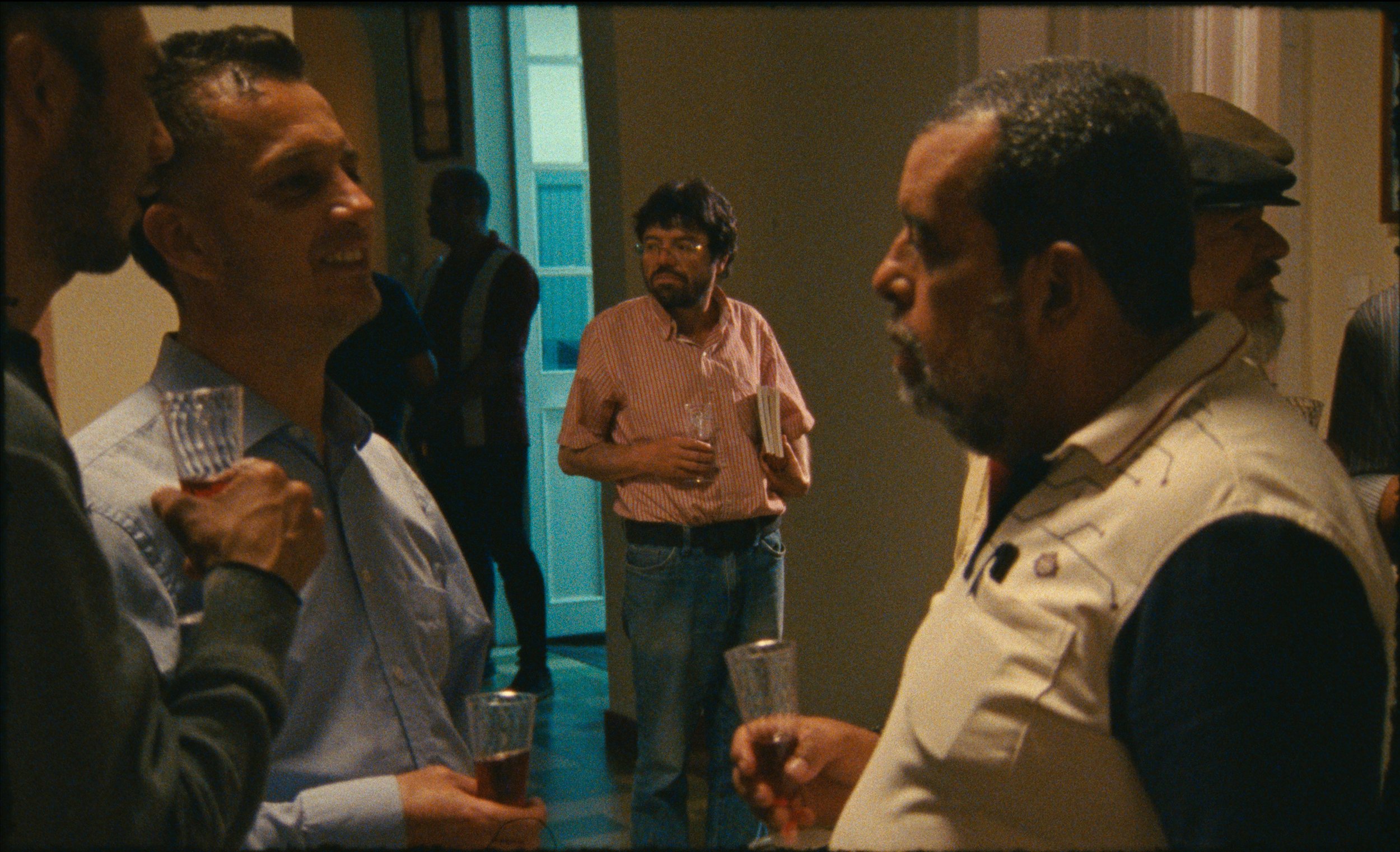
Photo by Juan Sarmiento G.
A Poet (2025) is an essential film for the artist, for the consumer, for the bystander, for the unattached, and for the uninitiated. Over the course of 123 minutes, writer-director Simón Mesa Soto crafts his film much like a series of linear, chronological vignettes, describing the life of a once promising poet named Oscar, who now spends his days wasting away— a victim of alcoholism.
Shocked out of his wallowing and self-pity by worried and exasperated family members, and out of a sense of duty to stop being an absentee father and husband, Oscar acquiesces to teach literature at a local school, where he meets Yurlady. A self-taught artist and poet, Yurlady's work blows Oscar away, bordering on prodigious and, through Oscar's eyes, in desperate need of mentorship and nurturing such that she can develop into the poet she's meant to be. What unfolds through the course of the film is the journey of these two characters as they better understand themselves, each other, family, art, and purpose.
The picture opens on one of Oscar's alcoholic episodes. It's rather difficult to watch, because we see a clearly articulate, well-educated man screaming and yelling in a manner unbecoming of a scholar as he incessantly prattles about the latest matter plaguing his mind: the underappreciation of deceased poet José Asunción Silva. Silva's influence on Oscar is made immediately evident to the audience; we see him bring the great poet up in the first five minutes of the film, discuss the profoundness of his work in literary circles, and even frame a portrait of him inside his room. To Oscar, Silva is the poet. Far, far greater than, for example, writer Gabriel García Márquez, despite the fact that the latter appears on currency denominations of 50,000 pesos while the former, 5,000.
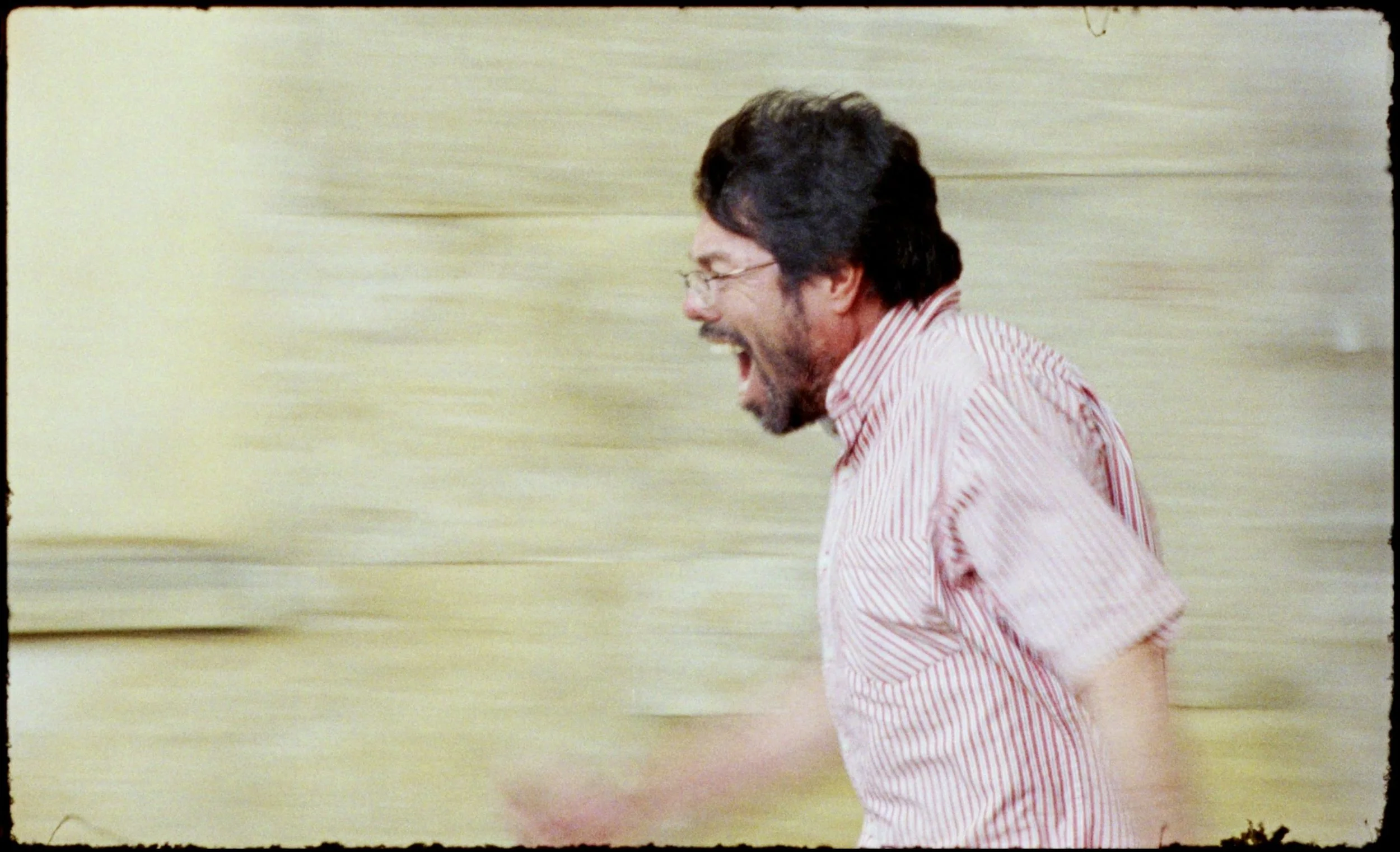
Photo by Juan Sarmiento G.
Poetic injustice, disillusionment, and a sense of unfulfillment plague this fact, and define Oscar's character. To this end, a fascinating filmmaking choice from Soto makes its first appearance during this alcoholic tirade: the borders of the film. Specifically, their eccentric mien. They're not perfect, straight black cinematic bars, but rather tattered, bruised, and worn down. As though pages ripped haphazardly from the book that is the life of Oscar. This stylistic choice endures from the first to the last minutes of the film, an ever-present, omniscient reminder of the fleeting nature of these scenes.
It's precisely why his meeting with Yurlady changes Oscar so much, and for the better. The sudden nature of the various changes he experiences is a fact best captured by Soto’s decision to arrange the story in a chapterwise fashion, demarcated by stark red backgrounds, gleaming, askew white text, and delightfully abrupt Colombian music cutting in almost with a mind of its own. Colombia itself, as Soto depicts it, is beautiful, but desperately impoverished. Yurlady's family of more than ten members (and growing) struggle to afford groceries, share a tiny apartment, and base their values around outdated traditional principles. It's hardly the space and environment to nurture literary talent, something Oscar's greatly familiar with. It's why he relates to her, takes her under his wing, and goes out of his way to support her. But the cultural and poetic landscape of Colombia has shaky foundations, heavily reliant upon outside funding from benefactors such as the Dutch embassy, who unknowingly introduce their bias to shape and control literary narratives, stifling true artistic integrity— which, to me, was the greatest talking point in the film. Telling an audience what they want to hear versus what an artist desires to express.
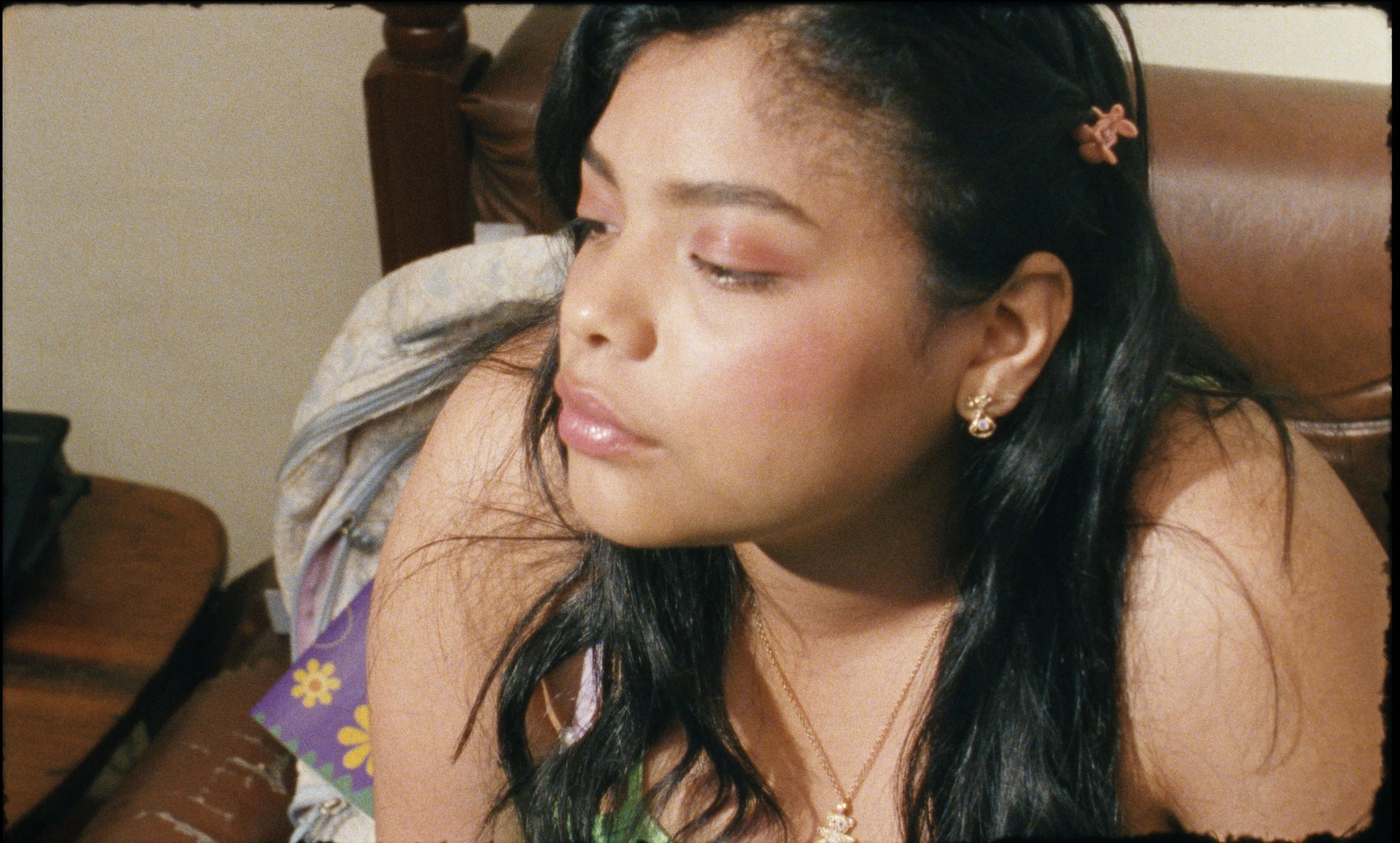
Photo by Juan Sarmiento G.
With the protagonist and deuteragonist in mind, A Poet is undoubtedly triumphant by dint of its success as an ensemble piece. Oscar and Yurlady succeed as characters to an audience because the environments they’re raised in, partake in, and are defined by are so natural. How Oscar’s mother can be cold as ice but warm as the morning sunshine; how his daughter pushes him away from a place of hurt but desires real change from him more than anyone; how Yurlady’s family cares for her but struggles to balance the intense financial and emotional responsibilities of the house; how she behaves apprehensively towards the poetry foundation. These setpieces owe a great debt to the camerawork, which is best described as largely handheld, reactionary, in the style of modern mockumentaries, characterised by tiny corrections, slight over-zooms, and rapid re-focusing, all serving the purpose of minimising the idea that you're watching a “film” and more so observing the lives of very real people. Shot in full-screen aspect ratio, it's determined to push its cinematic medium out of your mind, completely immersing you in Colombian life.
A Poet is a smashing success in everything it sets out to accomplish. A harrowing yet realistic tale of rural Colombian life, a strong study in fostering talent and understanding the meaning behind expression, and a deeply personal examination of what it means for a human being to change.
a poet (2025) opens exclusively at filmhouse on 24th september. catch it while you can! IMAGES IN THIS ARTICLE ARE BEING USED UNDER FAIR USE GUIDELINES AS PART OF SINGAPORE'S COPYRIGHT ACT 2021.