

Exposure

Welcome to NTU Film Society’s in-house publication.

Reviews of works, especially positive, that help an audience regard the film deeper.Op-eds or dissenting pieces that provide something different from the mainstream.Reviews, criticisms or pieces that view the art through a new, specific or varied lens.Essays that delve deeper into the theoretical aspects of film, often academic in nature.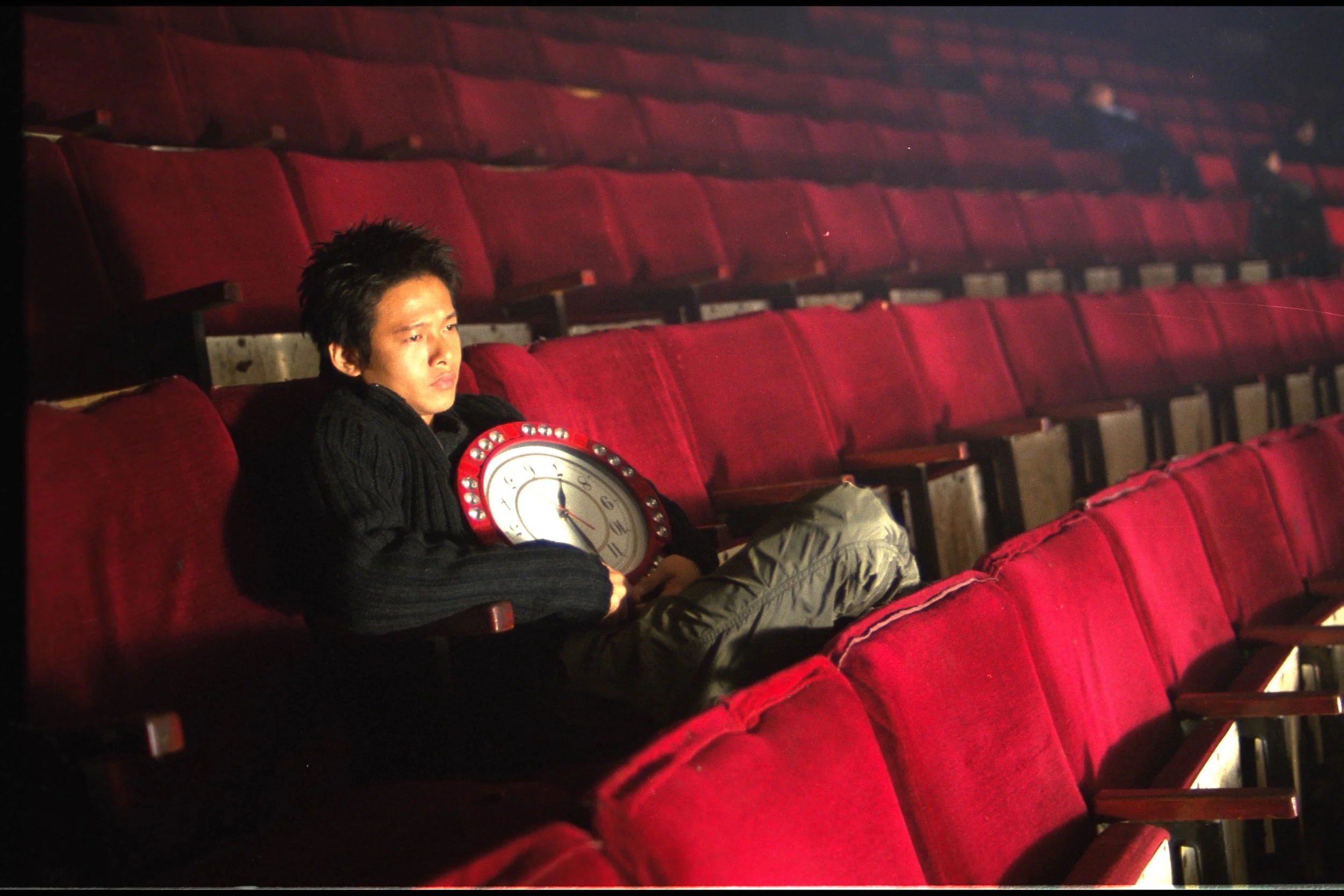
Everything is Out of Sync in Tsai’s What Time Is It There?
Editor-in-chief Adrian Ho dwells on the motif of time in Tsai Ming Liang’s What Time Is It There?, relating the film’s exploration of synchronicity (or lack thereof) to the alienation of our contemporary times.
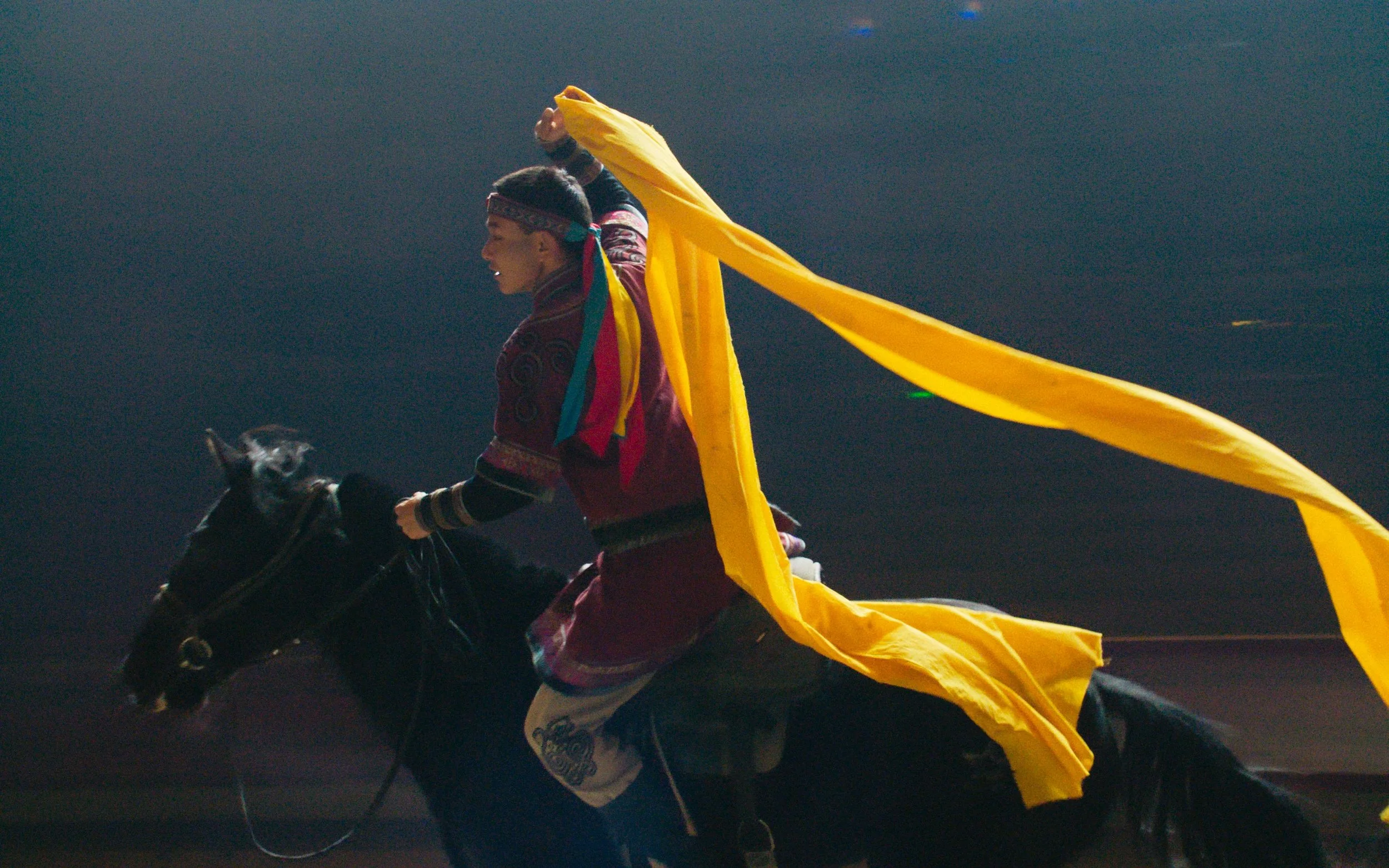
A Spiritual Death: To Kill a Mongolian Horse
Staff Writer Adrian Ho dwells on the themes explored in Jiang Xiao Xuan’s To Kill a Mongolian Horse–of tradition against the forces of modernity, and particularly how the film highlights the exploitative machine that is capitalism.

Oscar Predictions 2026
Staff writers Wong Dao En and Adrian Ho survey the nominees and discuss their predictions for the impending 98th Academy Awards.
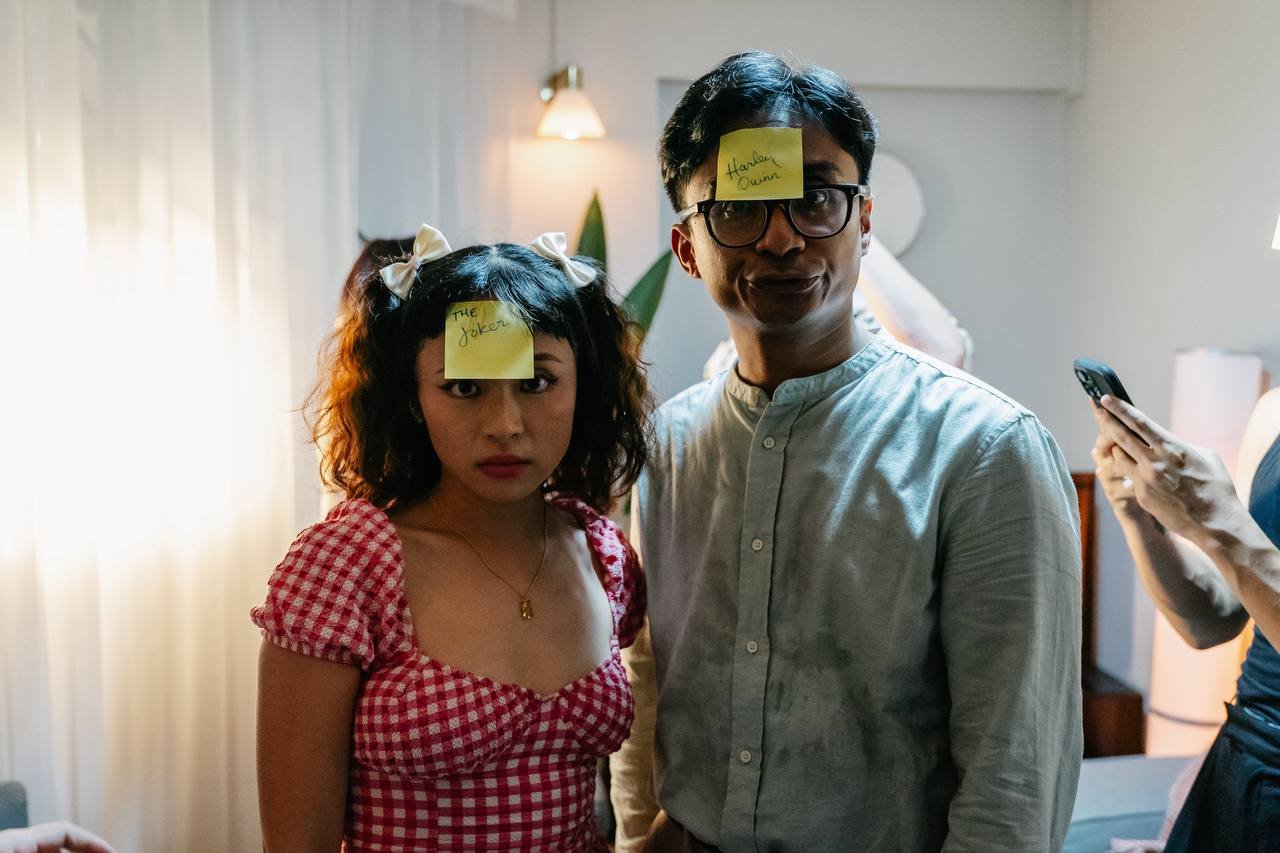
Sandbox (2025): How Can We Play in a Limited Space?
Guest Writer Gwendolyn Chan recalls her experience watching Sandbox (2025) and examines how the mockumentary manages to infuse even its more light-hearted moments with sentiment, to weave a narrative that ultimately forces the audience to confront a very prevalent question haunting Singaporean society: Why is it still so difficult to pursue and sustain all forms of Art in Singapore?

The Bloodstained Innocence of Chainsaw Man – The Movie: Reze Arc (2025)
Staff Writer Agastya Polapragada dwells on what makes Chainsaw Man - The Movie: Reze Arc one of the most impactful animated films released in the last year.
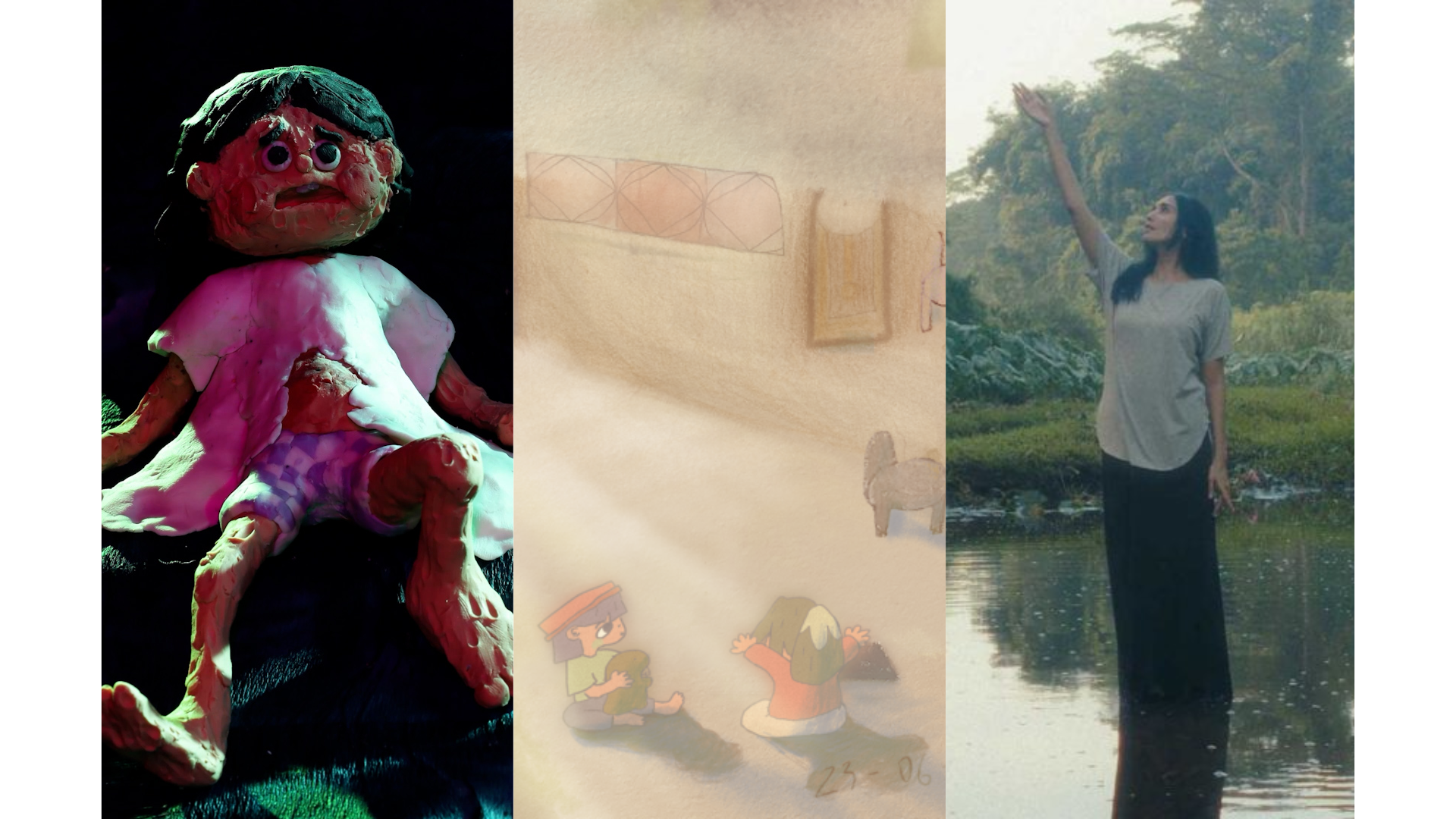
Review: SYFF’s Programme 2 & 3: Can You Hear Me?; Out of Nowhere
Editor-in-chief Goh Cheng Hao examines the programmes Out of Nowhere and Can You Hear Me? from the incoming SYFF, tracing the resonances within its varied narratives. If these films represent our current milieu, what concerns or anxieties might they reflect?
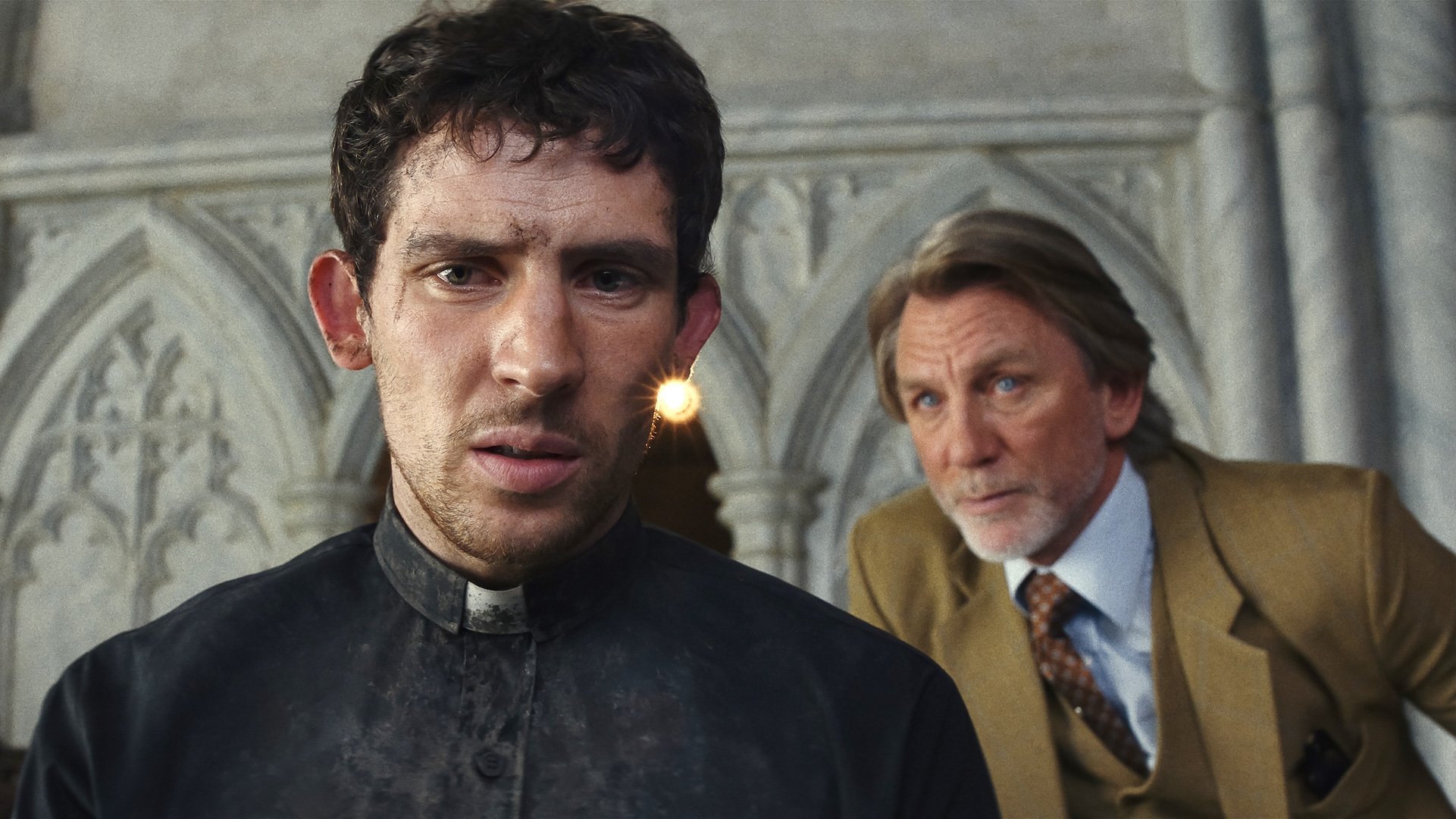
The Backslidden Nonbeliever’s Take on Wake Up Dead Man
Guest Writer Megan Lin considers how Wake Up Dead Man succeeds in being a memorable addition to the murder mystery genre–and the Knives Out franchise–not simply due to the performances in the film, but also through its exploration of power dynamics within religious institutions and narratives. And in extension, how the film is able to examine the complexities of faith earnestly and respectfully.

Smiling Through It All: A Review of PlayTime (1967)
Staff Writer Kyle Ashley Pillai explores Jacques Tati’s arthouse classic PlayTime (1967), examining his visions of the future and how its celebration of the human spirit amidst modern chaos still resonates with contemporary urban life 50 years later.

Music as Resistance in Malaysian Documentary Film Queer as Punk (2025)
Staff Writer Wong Dao En examines Malaysian filmmaker Yiwhen Chen’s documentary Queer as Punk (2025), which chronicles the experiences of openly-queer rock band Shh…Diam! Foregrounding the deep connection between rock music and politics, to confront audiences with the knowledge that progress can only be achieved through continuous resistance.

Pluribus (2025-): The Most Miserable Woman in the World and Her Emotional Support Hivemind
Editor-in-Chief Venesya Mayvelie Kosasi considers how Pluribus (2025-) serves as an allegory for colonialism, revealing that the real horror of the show is rooted in the inequalities and marginalization already transpiring in real life. And even beyond that, through its nuances, that the show challenges our conception of what it means to be human–who are we, if we must rethink reality?

Exploring ‘Love’ Through Eternity (2025)
Staff Writer Isabel Ng Cardoso ruminates on the different forms of love and relationships explored in David Freyne’s Eternity (2025)—a breathe of fresh air in the romcom genre that is sure to leave an impression for eternity.

Views All Around: A Review of the 36th SGIFF’s Singapore Panorama
Staff Writer Yu Ke Dong surveys all four Singapore Panorama Shorts Programmes at the 36th SGIFF: with his finger on the pulse of contemporary filmmaking, what’s the prognosis for local programming and cinema?
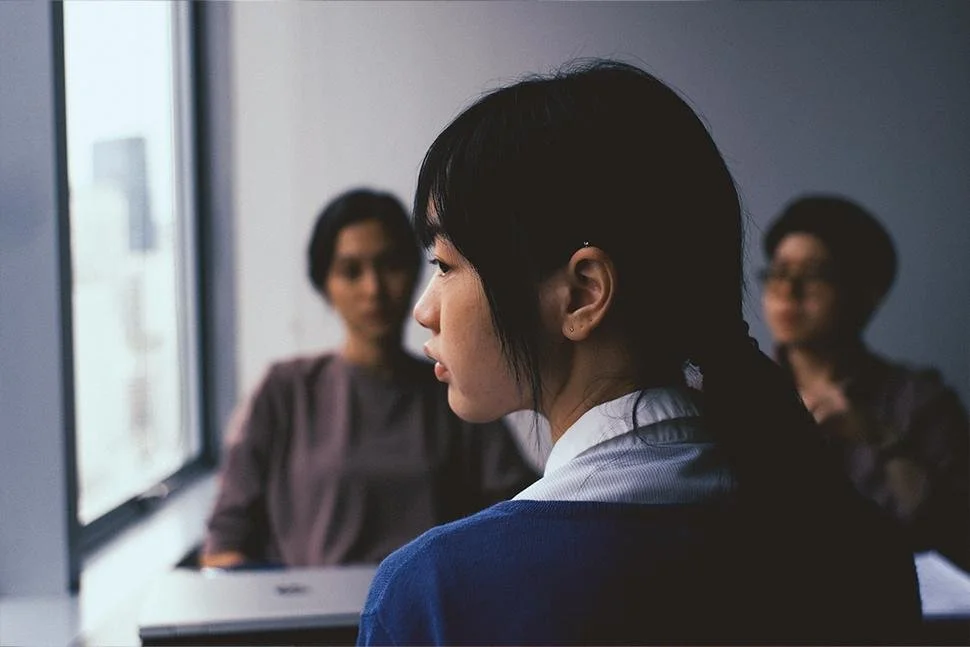
Contemporary Anxieties in Human Resource (2025)
Staff Writer Adrian Ho reflects on the harsh depiction of contemporary life in Nawapol Thamrongrattanarit’s Human Resource (2025), relating the film’s endless toil and alienation to our own realities.
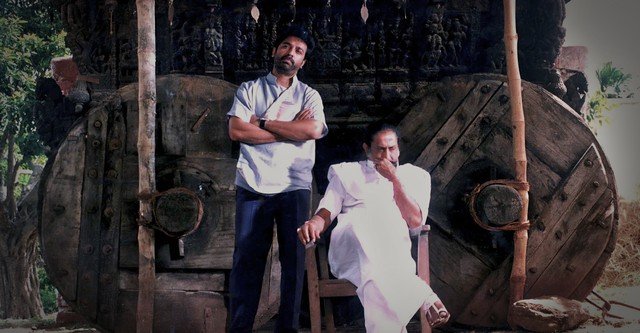
Kollywood at a Crossroads
Staff Writer Mohamed Shafiullah examines what he terms as ‘get-hyped’ films in Kollywood, looking beyond the tropes that dominate these films and delving into its ties to the politics of the region–as well as the consequences of having Tamil cinema and Tamil politics so strongly intertwined.

vOilah! French Film Festival Review: Stories & Threads in Couture (2025)
Staff Writer Isabel Ng Cardoso examines the patchwork of narratives that Alice Winocour weaves in Couture (2025), ruminating on whether the film and its title is an accurate reflection of the definition—or simply an echo of it.

The 4PLY Clandestine System
Editor-in-chief Goh Cheng Hao reflects on Natalie Sin’s The 4PLY Clandestine System, premiering at the 36th Singapore International Film Festival (SGIFF), amid our culture of the viral online persona, representation, and tissue paper.

Longlegs (2024) Blames the Devil for Man’s Evil
Staff Writer Mohamed Shafiullah reconsiders the elements that made Oz Perkins’ Longlegs (2024) such an effective thriller while anticipating his new film Keeper (2025).

In the Hive of Lanthimos’ Cynicism: The Inevitable Cycle of Bugonia (2025)
Staff Writer Kyle Ashley Pillai tracks the cycles, cynicism, and beauty of decay in his review of Yorgos Lanthimos’ latest work.
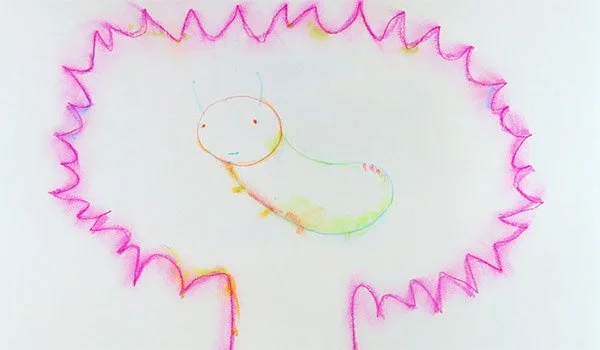
Transfiguration International Film Festival Review “Historical Remnants”: Dreams of Fragments & Memories in Block 2
Editor-in-Chief Venesya Mayvelie Kosasi reviews the second block of this year’s Transfiguration International Film Festival and recounts how the selection of films explore history and memory in fragments that ultimately foreground the personal narratives of the marginalised.
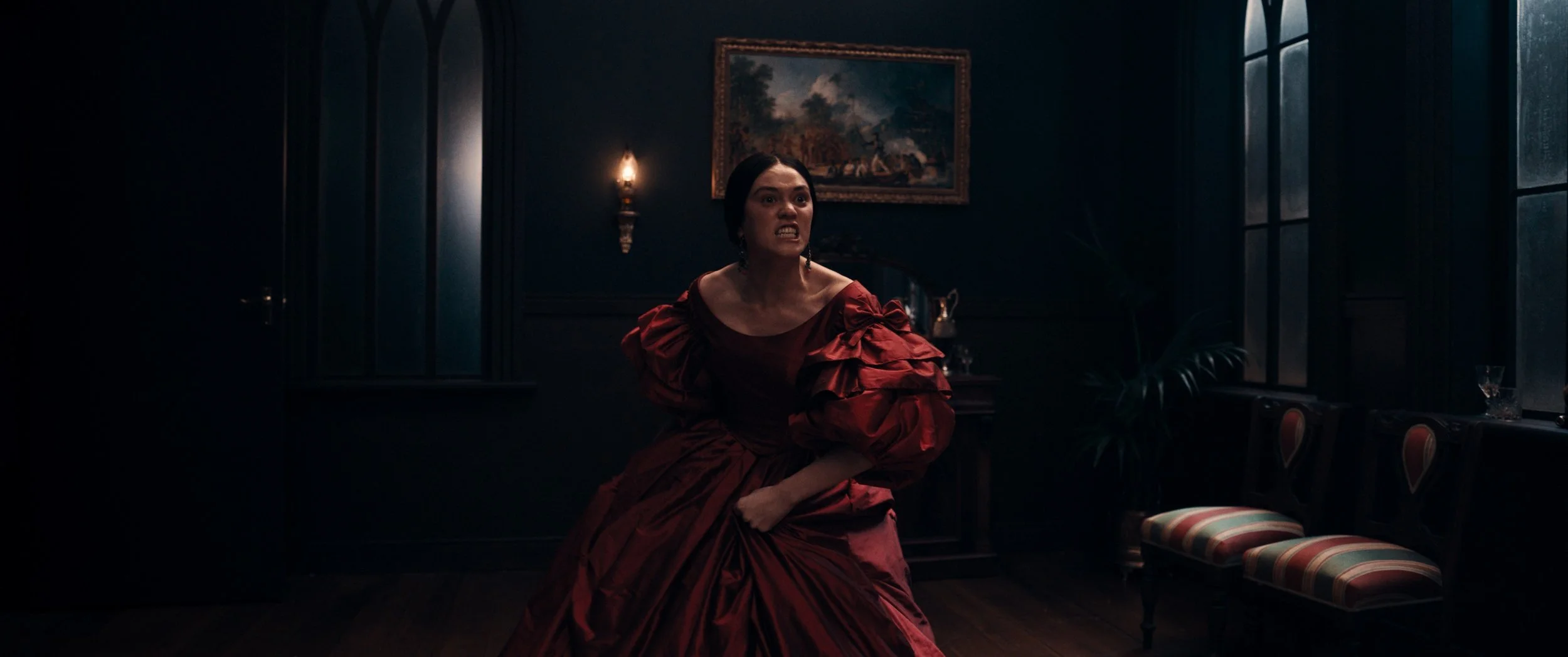
HIFF Review: Mārama (2025)
President Rhea Chalak reviews Kiwi gothic horror film Mārama (2025), which surrounds the journey of a young Māori woman fighting to reclaim her identity in 19th-century England.